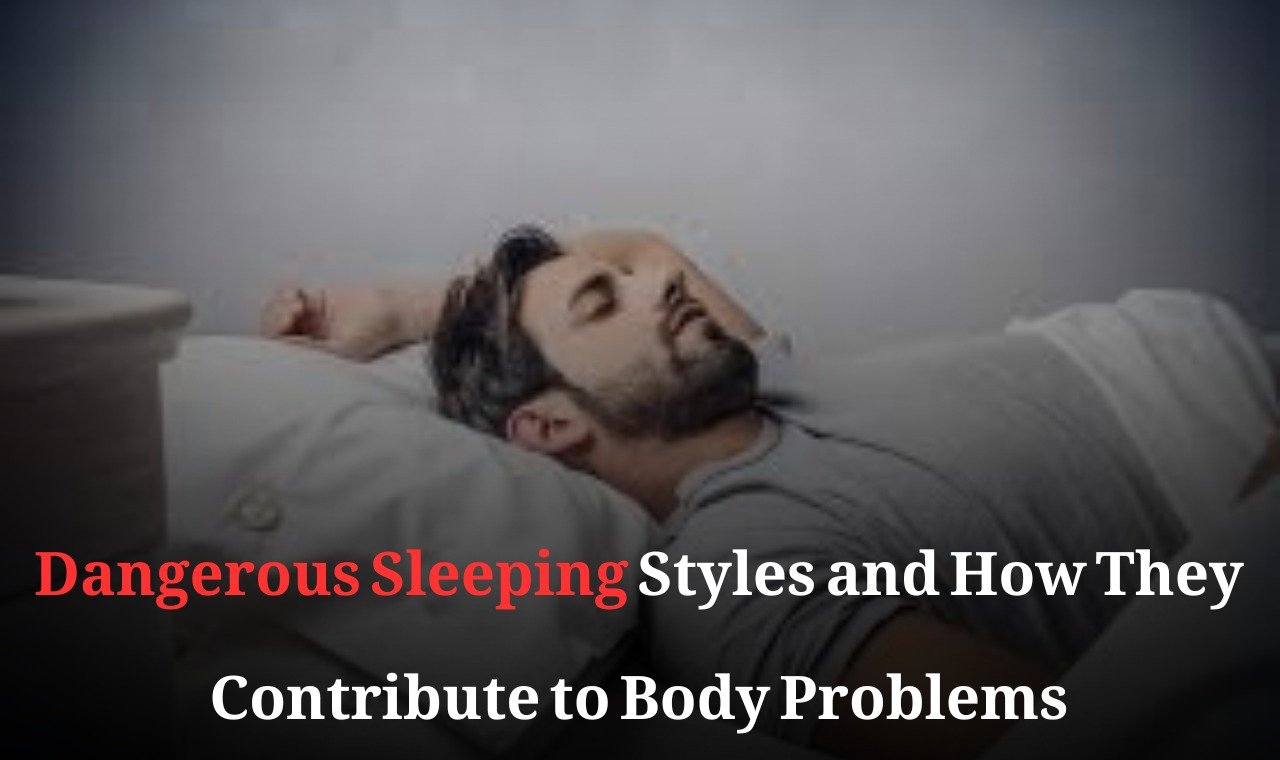
Dangerous Sleeping Styles and how they contribute to Body Problems
Sleep is one of the most important activities for maintaining energy healing the body promoting overall health. However while most people focus on the number of hours they sleep they often ignore the way they sleep. Your sleeping style may appear harmless, but in Reality it could be silently damaging your body. From causing back pain and neck stiffness to reducing circulation and affecting breathing dangerous sleeping styles are linked to a wide range of health problems. In this article we will explore the worst sleeping positions their hidden risks and the correct sleeping postures that promote better health and restorative rest.
Why Sleeping Position matters more than You Think
The position you sleep in plays a vital role in your physical health because it directly affects The spine breathing circulation. When you sleep in a poor posture The natural alignment of your spine is disrupted. This misalignment leads to pressure on muscles joints and nerves which causes pain and discomfort over time. Bad sleeping Styles can also reduce lung capacity make breathing more difficult especially in people Suffering from conditions like asthma or Sleep apnea. Moreover poor posture while sleeping restricts blood circulation resulting in tingling sensations and fatigue. Research has shown that adults in countries such as the USA UK India Pakistan are increasingly facing chronic body pain due to unhealthy sleep habits.
Dangerous Sleeping styles and their Health Risks
Stomach sleeping is one of the most harmful sleep positions.
It places unnecessary strain on the neck and lower back causing stiffness and pain.
The head is forced to turn sideways for long hours Which twists the spine and leads to long term misalignment.
Sleeping on the stomach restricts breathing because the chest is pressed against the mattress, limiting lung expansion.
This position is considered among the most dangerous sleeping positions for spinal health.
Medical experts worldwide strongly discourage stomach sleeping to prevent chronic back neck breathing problems.
Fetal Position comfort with Consequences
The fetal position Where a person curls up tightly With knees drawn to the chest may feel cozy but it comes with hidden dangers. This style compresses the lungs and reduces breathing efficiency which lowers oxygen intake during sleep. It also places unnecessary pressure on the joints particularly the knees and hips, making stiffness more likely in the morning. In south asian countries like India and Pakistan, where this sleeping style is common many adults complain of back and joint pain linked to sleeping in a curled posture every night.
Back Sleeping with arms overhead starfish Style
Sleeping on the back is generally considered healthy but when the arms are raised above the head in a starfish position the risks increase. This posture can cause shoulder pain neck discomfort numbness in the arms because of restricted blood circulation. Furthermore sleeping flat on the back with arms stretched often worsens snoring and sleep apnea a condition in Which breathing stops briefly during Sleep. Studies conducted in the USA and UK highlight that this sleeping style is particularly harmful for individuals already prone to respiratory issues.
Side Sleeping with one arm under the Pillow
Another common but problematic sleeping style is side sleeping with one arm tucked under the pillow. While side sleeping itself can be healthy, the addition of arm pressure under the head compresses the nerves in the shoulder. This results in stiffness tingling sometimes numbness in the arms and hands. Over time this posture contributes to chronic neck pain and shoulder discomfort. Health experts in the UK and USA have found that this is one of the most common causes of morning stiffness and circulation problems in adults.
How Poor Sleep Posture leads to chronic Problems
Sleeping in the Wrong position is not just a short-term discomfort it can lead to long term Health issues. When the spine remains misaligned night after night it increases the risk of chronic back pain shoulder stiffness, and permanent postural problems. Poor sleep posture also contributes to reduced circulation in the arms and legs leaving you with numbness or cramps upon waking. Additionally dangerous sleeping styles interfere with breathing patterns worsening conditions such as snoring and sleep apnea. Adults in regions like India Pakistan the middle East often report chronic joint pain and back issues linked to years of poor sleeping habits.
Best vs. Worst Sleeping styles for Health
Not all sleeping positions are harmful and with small adjustments you can protect your health. The best sleeping styles recommended by doctors include sleeping on your back with a small pillow under the knees Which supports the natural curve of the spine, and sleeping on your side With a pillow between the legs to Keep the hips aligned. On the other hand the Worst sleeping styles include stomach sleeping, tightly curled fetal posture and the starfish style with arms overhead. By recognizing the difference between the best Worst sleeping positions, you can make small changes that have a big impact on your health.
Actionable Tips for correct sleeping Posture
Improving your sleep Posture does not require Drastic changes but consistency is key. Start by using a medium firm mattress that supports your spine and prevents sagging. Pair it with ergonomic pilows such as memory foam which provide better support for the head and neck. If you sleep on your back placing a pillow under your Knees reduces strain on the lower spine. For side sleepers using a pillow between the knees helps Maintain hip alignment and prevents back pain. Most importantly avoid stomach sleeping as much as possible since it places the highest stress on the spine and breathing.
Geo-Specific sleeping habits and Risks
Sleeping posture issues differ across regions due to lifestyle culture and sleeping surfaces. In the USA wrong sleeping positions often lead to neck pain and increased cases of sleep apnea. In the UK poor posture is a common contributor to back problems and joint stiffness. In India adults frequently experience back pain due to sleeping directly on hard surfaces, while in Pakistan, soft bedding contributes to spinal misalignment and chronic pain. In the Middle East particularly in the U AS saudi arabia and dubai, the widespread use of air conditioning causes additional muscle stiffness, which worsens the effects of poor sleeping posture.